School supplies
In many countries, parents are required to provide their school children with certain school supplies. At the start of each school year or semester, they will be issued a supply list and expected to bring everything on it to school. In some schools, the parents are also required to provide supplies for the teachers and for the school building, e.g. whiteboard pens for teaching classes and cleaning products for the school building.
School supply tips
Here are a few suggestions that can come in handy when getting school supplies for your kids.
Wait until you get the list from the school
It can be tempting to start buying school supplies well in advance, but it is safer to wait until you actually get the school supply list. Sometimes, schools have very specific rules about certain items, e.g. the size and style of scissors or which calculators that will be allowed on tests. So, while it might seem like a great idea to be pro-active and avoid the back-to-school rush, our advice is actually that you wait until you have the list in your hand. Seeing the actual list can also help you avoid falling into the trap of getting way too much stuff.
Understand the difference between musts and wants
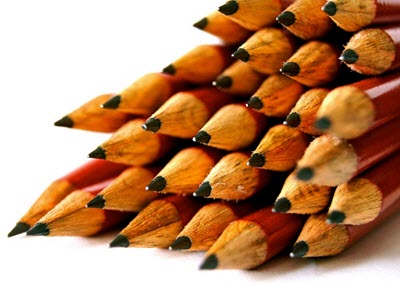
When shopping for school, it is important that both you and your child are aware of the difference between musts and wants. Getting the number of pencils specified on the list is a must. Getting pencils that cost extra because they look in a certain way or are of a certain brand is a want.
We’re not saying that allowing your kid to get a few wants is wrong if you can afford it. But back-to-school shopping will be easier to manage if you make a budget and decide where to stick to the basics and where to allocate additional funds to a few wants. Otherwise, you might break the bank before even getting halfway through the list.
It’s a great opportunity for your child to learn that this is how much money that’s in the budget, and if you splash out on this specific item, you will have to go basic on these other things to balance it out.
Buy second-hand
Not everything has to be brand new. Of course, you aren’t going to send your kid to school with a 2 inch long chewed-up pencil without an eraser, but what about a nice watercolour set that’s only been used once or twice by another kid and is still in excellent condition? Or a pair of high-quality scissors that would probably last through elementary school for half a dozen kids without getting worn out?
For some families, using used school supplies isn’t even about saving money. Buy shopping in second-hand stores, you might be able to find wonderful one-of-kind items that just don’t exist in the normal shops anymore, e.g. a vintage pencil holder adorned with a favourite book character or a cute box of retro erasers from someones discarded collection.
Don’t be afraid to ask your own network
Before you run off to the second-hand shops, make sure to inventory your own social network. There are probably people you know who would love to give your their stuff or sell it cheaply.
Many parents with older children have boxes and boxes of outgrown and unwanted stuff piled up from years gone by. Too nice to throw out, so it just sits there taking up space in the garage. Let everyone know that you are looking for school supplies for your kid and you’d be surprised at how many great items start turning up. There is absolutely no shame in being fiscally responsible and environmentally friendly by re-using already bought stuff instead of getting brand new things. Also, by accepting gifts or buying used items cheaply, you will save room in your school supply budget and be able to splurge a bit on those items that you must buy new. Buying used items can be a great way to find cheap items such as cheap chromebooks and other laptops.

For smaller children, less is better
That enormous 200+ crayon package for your 7-year-old is best kept at home. If the school list stipulates a small crayon box, get a small crayon box.
We often forget that having too many options can be overwhelming for small children. Older children might really appreciate having a dozen different shades of purple to choose among when drawing, but for smaller children that is usually not the case – especially if there isn’t an adult there to guide them individually. For a classroom with 20+ kids per adult, less is more. Sticking to the basics will also save space and make it easier for your child and the teacher to keep track of where things are. Twenty students who each bring 128 crayons means 2560 crayons in the classroom.

Be prepared to buy more later
Even if you get your kid everything on the supply list before school starts, you might have to top up later during the semester. Things get misplaced, stolen or simply worn out. That is another reason not to go crazy with buying super expensive items for school use. Some stuff is better kept at home, where your kid will get a chance to truly enjoy it before it grows feet and disappears.
On a related note, you might not need to get everything on the supply list at once. If the list says 20 pencils and three glue sticks for individual use (not pooled), that is intended for use throughout the semester – not during the first week of school. Some schools are picky and want the kids to bring in everything on the list on day one, but others are more flexible and will allow you to start out with a few pencils and one glue-stick, provided that you are ready to re-stock before the old ones run out. That way, you don’t have to buy everything at once, you reduce the risk of 19 pencils getting lost, and you can also see how your child actually likes the supplies. It’s better to have bought one sub-par glue stick than three of them.