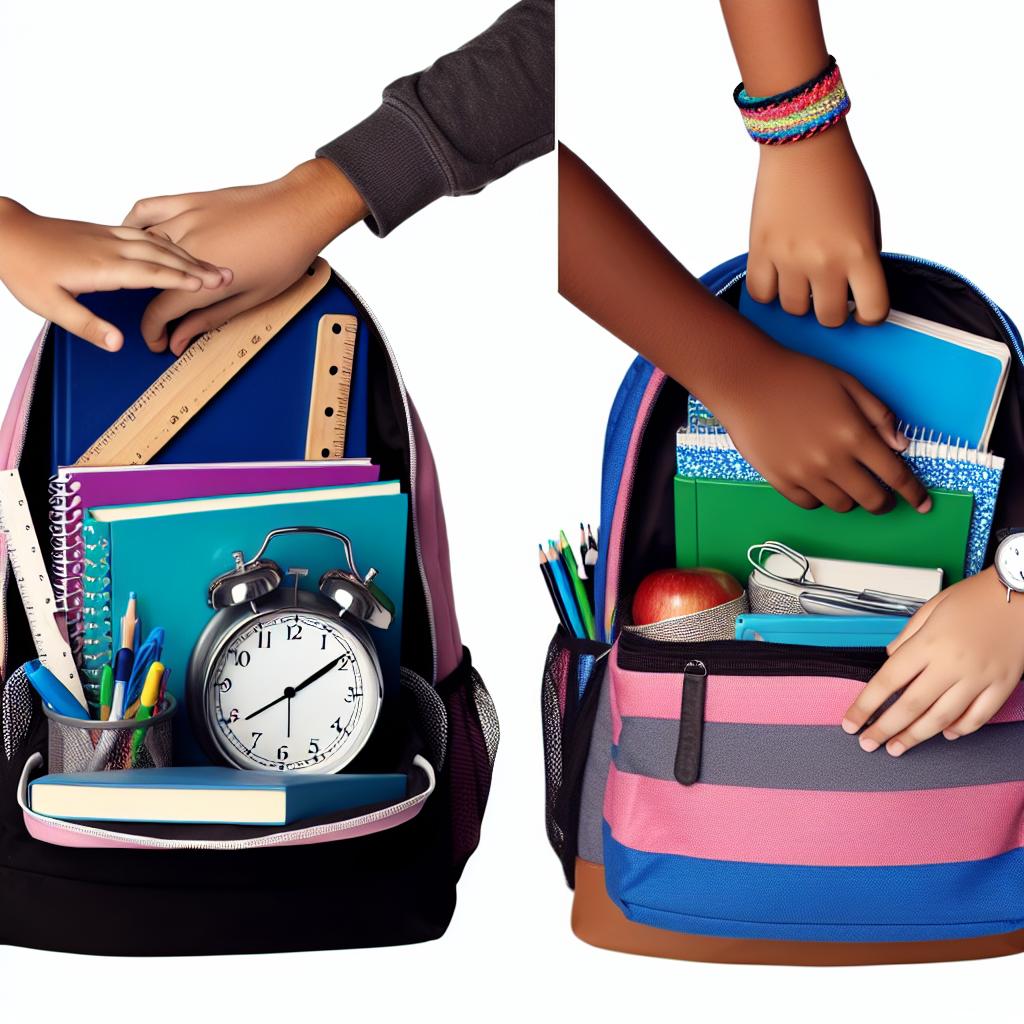
The Importance of a Well-Stocked Classroom
The Role of Resources in Education
A well-stocked classroom plays a crucial role in the success and overall learning experience of students. Access to appropriate materials shapes how effectively content is delivered, understood, and applied. Resources influence not only academic performance but also the broader development of students’ skills, including critical thinking, communication, and adaptability. When educators are supported with adequate tools, they can design lessons that are more inclusive, structured, and responsive to varying needs. This article examines multiple dimensions in which educational resources serve as a foundation for effective teaching and learning.
Facilitating Diverse Learning Styles
Students process information in different ways, and the availability of varied resources helps address these differences. Visual learners benefit from diagrams, charts, and videos, while auditory learners engage more effectively with lectures, discussions, and recorded explanations. Kinesthetic learners, on the other hand, require hands-on activities and physical interaction with learning materials. A classroom that integrates these elements allows educators to present information in multiple forms, increasing the likelihood that students will understand and retain key concepts.
The use of multimodal teaching materials also encourages students to explore alternative ways of learning. For instance, a concept introduced through a textbook can be reinforced through an interactive simulation or a group experiment. This layered approach reduces reliance on a single method of instruction and promotes a more comprehensive understanding of the subject matter. In the long term, students become more adaptable learners, capable of approaching complex topics from different perspectives.
Enhancing Engagement and Motivation
Student engagement is closely tied to the availability and quality of classroom resources. When materials are varied and interactive, students are more likely to participate actively in lessons. Interactive resources, including digital applications, educational games, and multimedia presentations, introduce elements of interactivity that transform passive learning into active involvement. This shift is particularly important in maintaining attention and fostering curiosity.
Motivation is also influenced by how relevant and accessible learning materials are. When students can connect classroom content to real-world applications through simulations, case studies, or project-based tools, they are more likely to see the value of their education. Resources that allow for personalization, such as adaptive software or differentiated reading materials, further enhance motivation by aligning tasks with individual skill levels. This reduces frustration and supports steady progress.
Additionally, resources contribute to a structured learning environment where expectations are clear. Organized materials, whether physical or digital, allow students to navigate tasks more efficiently. This reduces time spent on logistical confusion and increases time spent on meaningful learning activities.
Supporting Curriculum Goals
Educational systems are guided by curricula that outline the knowledge and skills students are expected to acquire. Resources play a vital role in ensuring that these objectives are met. Textbooks provide foundational content, while supplementary materials such as workbooks, videos, and assessment tools offer opportunities for reinforcement and evaluation. When these resources are aligned with curriculum standards, they create consistency across classrooms and institutions.
Teachers rely on a combination of print and digital resources to present complex ideas in manageable segments. For example, scientific concepts may be introduced through reading materials, demonstrated through experiments, and reinforced through digital simulations. This integrated approach ensures that students not only memorize information but also understand its practical applications.
Well-chosen resources also enable educators to adapt curriculum delivery to different contexts. In diverse classrooms, where students may have varying levels of prior knowledge or language proficiency, differentiated materials ensure that everyone can access the content. This flexibility supports equitable education by reducing barriers to learning.
Encouraging Collaboration and Teamwork
Collaboration is a critical component of modern education, reflecting the skills required in professional environments. Resources that support group work enable students to engage in collective problem-solving and shared learning experiences. Materials such as shared tools, art supplies, and technology devices facilitate activities that require coordination and communication.
Group projects, supported by adequate resources, encourage students to distribute tasks, negotiate ideas, and develop solutions collaboratively. These interactions help build interpersonal skills, including active listening and constructive feedback. Over time, students learn to appreciate diverse perspectives and work effectively within a team.
Technology further enhances collaborative opportunities by enabling real-time communication and shared access to documents. Digital platforms allow students to work together even outside the physical classroom, extending the boundaries of traditional learning environments. This continuity supports deeper engagement with projects and encourages independent contribution alongside group participation.
Bridging the Digital Divide
The integration of technology into education has transformed how information is accessed and delivered. However, disparities in access to digital tools can create significant gaps in learning opportunities. A well-resourced classroom addresses this issue by providing students with devices such as computers or tablets, along with reliable internet access. These tools ensure that all students can participate in digital learning activities regardless of their background.
Digital resources offer a wide range of educational benefits, including access to online libraries, instructional videos, and interactive software. These materials support self-paced learning, allowing students to revisit concepts as needed. Additionally, digital platforms often include assessment features that provide immediate feedback, helping students identify areas for improvement.
Efforts to bridge the digital divide also involve training educators to use technology effectively. Access to devices alone is insufficient without the knowledge to integrate them into teaching practices. Professional development programs ensure that teachers can design lessons that make meaningful use of digital tools, rather than treating them as supplementary additions.
Ensuring Safety and Comfort
While academic resources are essential, the physical environment of a classroom also plays a significant role in learning outcomes. Adequate seating, proper lighting, and appropriate classroom layouts contribute to students’ ability to focus and participate. An organized and comfortable space minimizes distractions and supports prolonged periods of concentration.
Safety is another critical consideration. Classrooms should be equipped with necessary safety equipment, particularly in subjects that involve practical activities, such as science or physical education. Clear protocols and accessible resources ensure that both students and teachers can respond effectively to potential hazards.
The availability of basic supplies, such as writing materials and storage solutions, further contributes to an efficient learning environment. When students have consistent access to these essentials, they can engage with lessons without unnecessary interruptions. This continuity supports a stable and predictable classroom experience.
The Role of Teachers in Resource Utilization
Resources alone do not guarantee effective learning; their impact depends on how they are used. Teachers play a central role in selecting, organizing, and implementing materials in ways that align with instructional goals. Effective educators evaluate the relevance and quality of resources, ensuring that they contribute meaningfully to the learning process.
The ability to adapt resources is particularly important in dynamic classroom settings. Teachers often modify materials to suit the needs of their students, whether by simplifying content, adding contextual examples, or integrating additional activities. This adaptability enhances the effectiveness of available tools and ensures that they remain relevant.
Professional development supports teachers in maximizing the potential of classroom resources. Training programs introduce new tools, teaching strategies, and technological advancements, enabling educators to refine their practices. Continuous learning ensures that teachers remain equipped to navigate evolving educational landscapes.
Long-Term Impact on Student Development
The influence of classroom resources extends beyond immediate academic outcomes. Exposure to a wide range of materials helps students develop independent learning habits and critical thinking skills. When students interact with diverse resources, they learn to evaluate information, identify reliable sources, and apply knowledge in different contexts.
Resource-rich environments also encourage creativity and exploration. Access to varied tools allows students to experiment with ideas and pursue interests that may not be covered in standard curricula. This flexibility fosters a sense of curiosity and initiative, which are essential for lifelong learning.
Furthermore, familiarity with digital tools and collaborative platforms prepares students for future academic and professional environments. As technology continues to shape various industries, the ability to navigate digital resources becomes increasingly important. Classrooms that integrate these tools effectively contribute to students’ readiness for future challenges.
Conclusion
In summary, a well-stocked classroom is fundamental to delivering a comprehensive and effective education. Resources support diverse learning styles, enhance engagement, and align teaching with curriculum goals. They also facilitate collaboration, address inequalities in digital access, and contribute to a safe and organized learning environment. The role of educators in utilizing these resources effectively cannot be overlooked, as their expertise determines how materials are integrated into instruction. Investing in classroom resources is not merely an operational requirement but a strategic approach to improving educational outcomes and preparing students for a complex and evolving world.
Related Post